


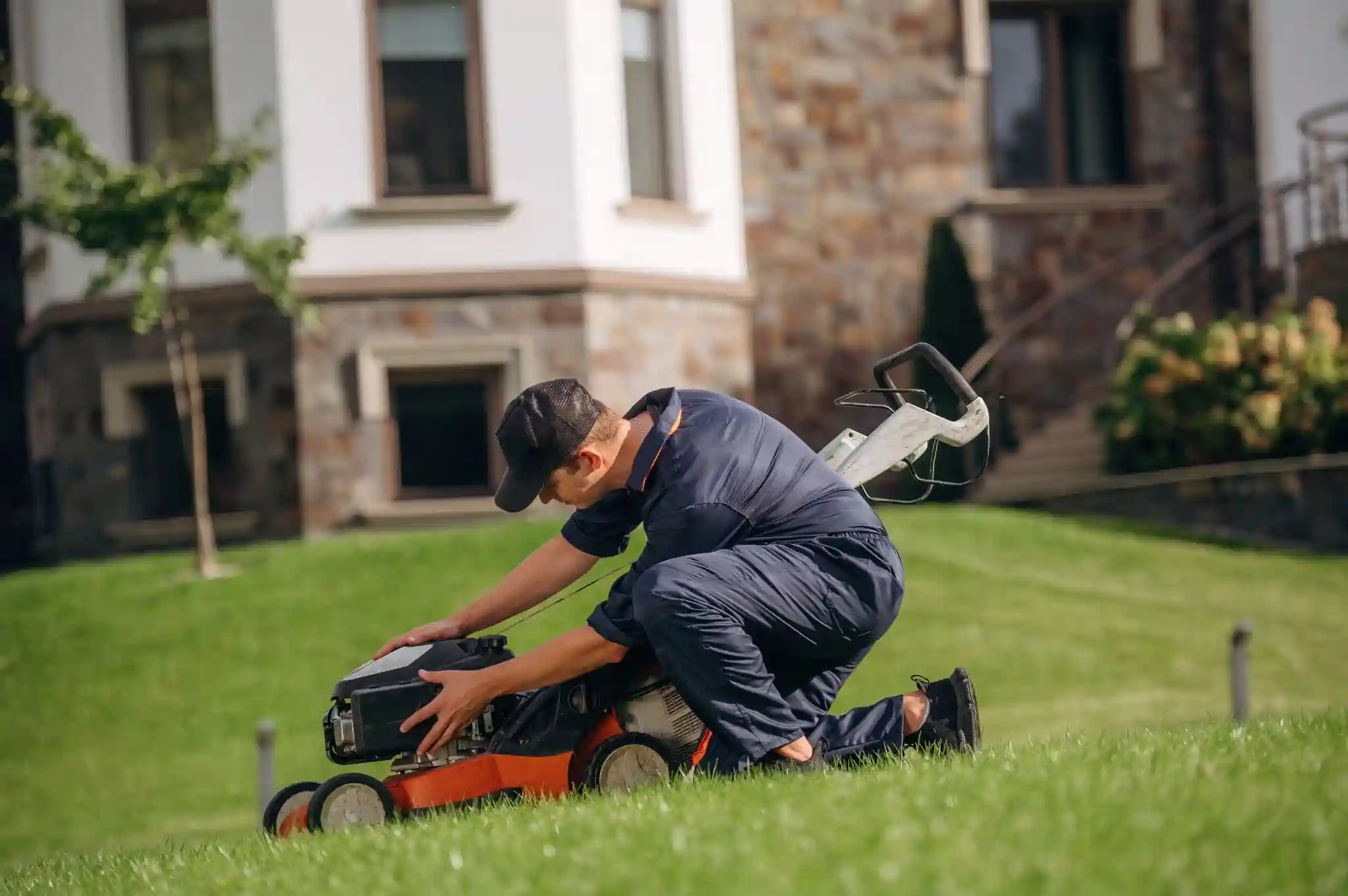
A healthy lawn does not happen by accident. It requires consistent attention that changes with the seasons. Grass reacts differently to heat, cold, rainfall, and soil conditions, so your maintenance routine must adjust accordingly. This is where seasonal lawn care becomes essential for long-term lawn health. Instead of random maintenance, a structured approach ensures your lawn stays green, balanced, and strong throughout the year. When you understand seasonal changes, you can prevent patchy growth, weed problems, and soil stress more effectively.
Seasonal lawn care planning for long-term success
Good lawn maintenance always starts with planning. Every season has different requirements, and ignoring those changes can weaken grass over time. Seasonal lawn care helps you organize tasks like watering, mowing, fertilizing, and soil improvement based on natural growth cycles.
Grass type also matters. Cool-season and warm-season grasses respond differently to temperature changes. When you align care with these patterns, lawn care becomes more efficient and less time-consuming.
A proper plan also helps you avoid overdoing or underdoing maintenance. Instead of reacting to problems, you follow a steady routine that supports consistent lawn health.
Spring seasonal lawn care for recovery and growth
Spring is the recovery period after winter. Grass begins active growth again and needs proper support. Seasonal lawn care in spring focuses on cleaning, feeding, and preparing the lawn for the growing season.
The first step is clearing debris such as leaves and dead grass. This allows sunlight and air to reach the soil. It also helps identify damaged areas that need repair. Fertilizing in spring restores nutrients lost during winter and encourages fresh growth. Weed prevention is also important because weeds grow quickly during this season. When done correctly, lawn care in spring builds a strong foundation for the rest of the year.
Summer seasonal lawn care for heat protection
Summer is one of the most challenging times for lawns. High temperatures and strong sunlight can dry out soil and stress grass quickly. Seasonal lawn care during summer focuses on protection and moisture balance. Watering should be deep and less frequent to encourage strong root growth. Shallow watering weakens the lawn and makes it more vulnerable to heat.
Mowing also needs careful attention. Cutting grass too short exposes soil and increases water loss. Keeping it slightly longer helps protect moisture. Pest control becomes important in summer as warm weather increases insect activity. Regular monitoring ensures early detection and treatment.
Fall seasonal lawn care for repair and strengthening
Fall is one of the most important seasons for lawn recovery. Grass repairs summer damage and prepares for winter. Seasonal lawn care in fall focuses on strengthening roots and improving soil health. Aeration helps reduce soil compaction and improves airflow to roots. This makes it easier for grass to absorb nutrients and water.
Overseeding is also common in the fall to fill bare patches and improve lawn density. This creates a thicker, healthier surface. Fertilizing in the fall supports root development instead of fast surface growth. Strong roots ensure better survival during winter and faster recovery in spring.
Winter seasonal lawn care for protection and rest
Winter is a dormant period for most lawns. Growth slows down, but care is still important. Seasonal lawn care in winter focuses on protection rather than active maintenance. Avoid walking on frozen or wet grass because it can damage soil structure. Even small disturbances can create long-term patches.
This is also a good time to maintain lawn equipment. Cleaning and servicing tools ensures they are ready for spring use. Even in dormancy, seasonal lawn care plays a role in protecting future growth.
Soil health in seasonal lawn care management
Soil is the foundation of a healthy lawn. Without good soil, even the best maintenance routine will not work properly. Seasonal lawn care always includes soil management for long-term stability.
Soil testing helps identify nutrient levels and pH balance. This allows for more accurate fertilizing and prevents the overuse of chemicals. Adding organic matter improves soil texture and water retention. Healthy soil supports stronger root systems and improves overall lawn performance.
Water management in seasonal lawn care systems
Water needs change throughout the year. Seasonal lawn care adjusts irrigation based on weather and soil conditions.
In summer, lawns need more water due to heat and evaporation. In cooler seasons, watering should be reduced to avoid oversaturation. Efficient irrigation systems help maintain consistency and reduce waste. Proper water management is one of the most important parts of lawn care.
Weed and pest control in seasonal lawn care
Weeds and pests do not appear evenly throughout the year. That is why seasonal lawn care uses targeted prevention strategies. Weed control is most effective when timed properly. Spring treatments prevent weeds before they spread, while ongoing monitoring keeps them under control.
Pest activity increases in warm weather, so early detection is important. Lawn care helps reduce damage by addressing problems before they grow.
Equipment maintenance in seasonal lawn care routines
Tools are essential for effective lawn maintenance. Poorly maintained equipment can damage grass and reduce efficiency. Mowers, trimmers, and irrigation systems should be cleaned and checked regularly. Sharp blades ensure clean cuts, which improve grass health. Proper equipment care supports consistent results and makes seasonal lawn care easier to manage throughout the year.
Conclusion for seasonal lawn care success
A strong lawn is built through consistent effort across all seasons. Seasonal lawn care provides a structured system that aligns maintenance with natural growth cycles. When each season is handled correctly, your lawn becomes healthier, greener, and more resilient. Instead of reacting to problems, you stay ahead of them with proper planning and care.
FAQs
1. What makes seasonal lawn care important?
It ensures grass gets the right care at the right time, improving long-term health, growth, and resistance to weather changes.
2. How often should lawn care tasks be done?
Tasks vary by season. Some require weekly attention while others focus on monthly or seasonal adjustments.
3. Can lawn care reduce weed growth?
Yes, proper timing of treatments and maintenance significantly reduces weed growth and prevents spreading.
4. Does every lawn need the same lawn care routine?
No, it depends on grass type, climate, and soil conditions. Care should always be adjusted to the local environment.
5. What is the most important season for lawn care?
All seasons matter, but spring and fall are especially important for growth recovery and root strengthening.


Leave a Reply