


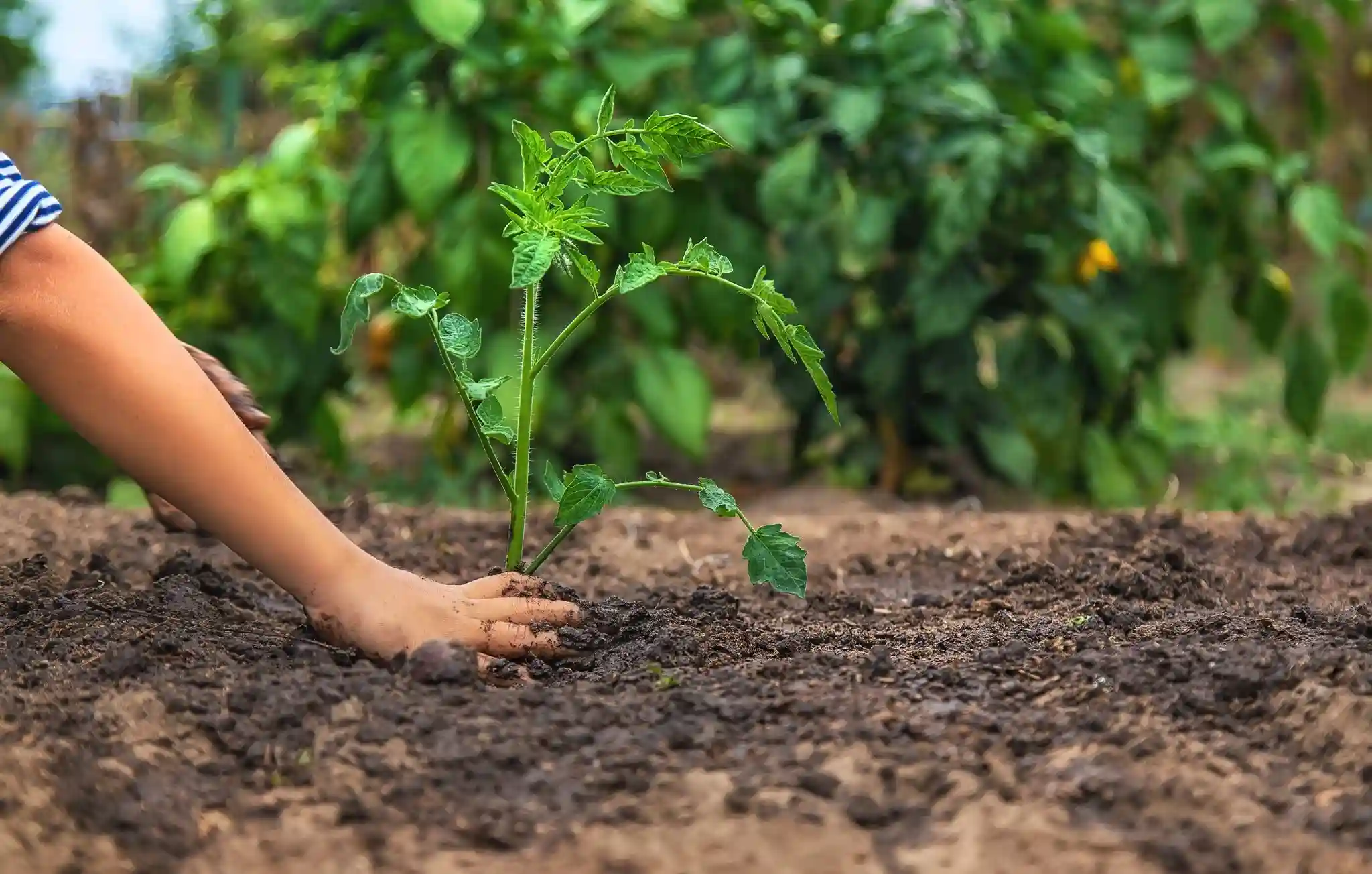
Garden design is not just about aesthetics. It’s also about creating a thriving environment that suits your local climate and soil type. Understanding how to adapt your garden design can make a huge difference in plant health and overall garden success. This blog post will explore the concept of garden design adaptation and provide practical insights for gardeners looking to create their ideal landscape, regardless of their climate or soil conditions.
Understanding Climate Zones
What Are Climate Zones?
The first step in garden design adaptation is to understand your climate zone. Different areas have distinct climate characteristics that influence plant growth. For instance, tropical climates are warm and wet, while arid regions experience extreme heat and minimal rainfall.
- Tropical: High humidity and consistent rainfall allow for lush growth.
- Temperate: Distinct seasons support a variety of plants throughout the year.
- Arid: Limited rainfall requires drought-resistant plants and water conservation.
Knowing what zone you’re in helps you make informed decisions about plant selection and garden layout.
Local Weather Patterns
Consider your local weather patterns, too. Are summers long and hot? Do winters get cold and harsh? These factors play a critical role in what plants will thrive in your garden. By understanding your climate zone, you can select plants that are better suited to your environment, which means healthier plants and less maintenance in the long run.
Soil Types and Their Impact on Garden Design
Overview of Soil Types
Next, let’s talk about soil types. Your garden’s soil plays a huge role in determining how well your plants will grow. There are several types of soil, including clay, sandy, and loamy, each with its own characteristics.
- Clay Soil: Holds water but drains poorly, often leading to root rot.
- Sandy Soil: Drains quickly but may lack necessary nutrients for plants.
- Loamy Soil: A balanced mix that retains moisture but drains well, ideal for most plants.
Understanding your soil type is crucial for garden design adaptation. For example, if you have heavy clay soil, you might want to consider raised beds to improve drainage and root health. You can also amend your soil by incorporating organic matter, which can enhance its quality and help your plants thrive.
Testing Your Soil
Testing your soil’s pH and nutrient levels can provide valuable information for your garden design decisions. Many local agricultural extensions offer soil testing services that can help you understand what amendments are necessary for optimal plant growth.
Adapting Garden Designs to Climate Conditions
Techniques for Hot Climates
Once you understand your climate and soil, it’s time to adapt your garden design to suit those conditions. In hot climates, creating shade is essential. This can be achieved using trees, pergolas, or shade sails.
- Shade Trees: Provide natural cooling and reduce energy costs.
- Pergolas: Create outdoor spaces that are functional and comfortable.
A well-placed tree can provide relief from the sun and lower temperatures in your garden.
Water Conservation in Arid Regions
In arid regions, water conservation is key. Consider using xeriscaping techniques, which involve selecting drought-resistant plants and employing efficient irrigation methods. Drip irrigation systems are excellent for delivering water directly to the roots, minimizing waste.
For cooler climates, using greenhouses or cold frames can extend your growing season. These structures help protect plants from frost and allow you to start seeds earlier in the spring. Adapting your garden design to accommodate these climate considerations can make a significant difference in your gardening success.
Selecting Plants Based on Climate and Soil
Choosing Native Plants
Choosing the right plants is a critical part of garden design adaptation. Native plants are often the best choice because they have evolved to thrive in your local environment. They require less water and maintenance, making them a smart choice for any garden.
- Drought-Resistant Plants: Ideal for dry areas, such as succulents and lavender.
- Wetland Plants: Suitable for areas with heavy rainfall, like ferns and willows.
In addition, consider including drought-resistant plants in dry areas. Succulents, lavender, and ornamental grasses can add beauty without requiring excessive watering. For cooler regions or areas with heavy rainfall, look for plants that can tolerate wet conditions and thrive in cooler temperatures.
Researching Plant Choices
Researching which plants do well in your specific climate and soil type can lead to a flourishing garden. Local gardening centers and extension services can provide valuable information on suitable plant choices that will thrive in your area.
Incorporating Hardscaping in Different Environments
The Role of Hardscaping
Hardscaping elements like pathways, patios, and retaining walls can enhance your garden design while also serving practical purposes. The materials you choose can have a big impact on your garden’s microclimate.
- Light-Colored Materials: Reflect sunlight to keep areas cooler.
- Dark Materials: Absorb heat and create warmer garden spots.
When designing hardscaping, consider how they interact with your plants. Using permeable materials allows rainwater to drain into the ground, helping to maintain soil moisture. This can be especially beneficial in areas with heavy rainfall or in gardens where water retention is vital.
Sustainable Practices for Diverse Environments
Why Sustainability Matters
Sustainability is an important consideration in any garden design. There are many sustainable practices you can implement that will not only benefit your garden but also contribute positively to the environment.
Composting is a great way to enrich your soil while reducing waste. Adding organic matter to your garden can improve soil structure and nutrient content.
Water-Saving Techniques
Water-saving techniques are also vital for sustainable gardening. Rain gardens and rain barrels help collect and utilize rainwater, reducing reliance on municipal water sources. Drip irrigation systems can also conserve water while keeping your plants healthy.
By incorporating sustainable practices into your garden design adaptation, you can create a thriving garden that is also environmentally friendly. These practices help ensure your garden remains productive for years to come.
Real-World Examples of Garden Design Adaptation
Successful Case Studies
To illustrate the concept of garden design adaptation, let’s look at some real-world examples. In a dry, arid region, one homeowner transformed their backyard into a beautiful oasis using xeriscaping techniques. They selected native, drought-resistant plants and installed a drip irrigation system. This approach not only reduced water consumption but also created a vibrant and low-maintenance garden.
Another example can be found in a colder climate where a family built a greenhouse to extend their growing season. By starting seeds indoors and using the greenhouse for tender plants, they were able to grow a variety of vegetables year-round, making the most of their limited growing time.
These examples show how adapting garden design to specific climates and soil types can lead to successful and satisfying gardening experiences. They serve as inspiration for anyone looking to create a garden that works with nature rather than against it.
Conclusion
In summary, adapting your garden design to suit different climates and soil types is essential for creating a thriving landscape. By understanding your local climate zones and soil conditions, you can make informed decisions about plant selection and garden layout. Incorporating hardscaping, sustainable practices, and real-world examples can further enhance your gardening success. Remember that each garden is unique, and taking the time to adapt your design will lead to healthier plants and a more enjoyable gardening experience. Embrace the process and allow your garden to flourish in harmony with its environment.
FAQs
1. How does climate affect garden design adaptation?
Climate influences plant selection, layout, and maintenance. Understanding local weather patterns helps create a thriving garden that suits your environment.
2. What are the best plants for hot climates?
Drought-resistant plants like succulents, lavender, and ornamental grasses thrive in hot climates, requiring less water while adding beauty to your garden.
3. How can I improve my garden’s soil quality?
You can improve soil quality by adding organic matter, compost, and mulch. Testing your soil’s pH and nutrients also guides your amendments.
4. What is xeriscaping?
Xeriscaping is a landscaping method that reduces water use by selecting drought-resistant plants and using efficient irrigation techniques to conserve moisture.
5. Why is sustainability important in garden design?
Sustainability enhances garden health, conserves resources, and reduces waste. Implementing eco-friendly practices benefits both your garden and the environment.


Leave a Reply