


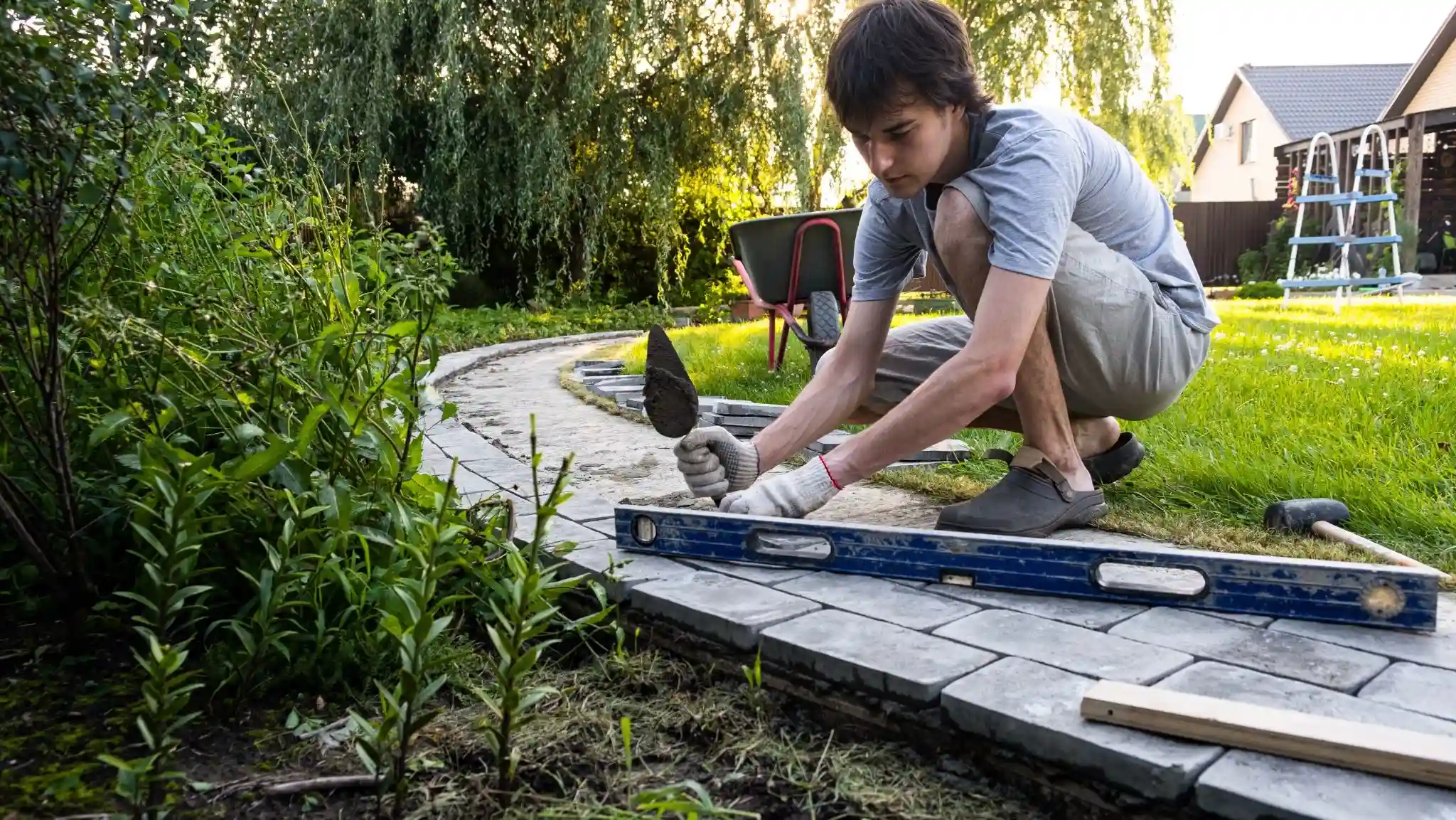
Garden transformations rarely fail because of bad ideas. They fail because of bad timing. Garden design is deeply tied to seasons, soil conditions, and long-term planning. Choosing the right moment to redesign or renovate your garden can determine whether your investment thrives or struggles. Many homeowners rush into changes when they feel frustrated with their outdoor space. This often leads to wasted effort and higher costs. Strategic timing allows plants to establish properly, materials to perform better, and designs to evolve naturally. A well-timed project does not just look good. It performs better over time and requires less correction later.
Understanding Seasonal Cycles in Garden Design
Every season offers opportunities and limitations. Understanding these cycles is essential for effective garden design. Spring is often seen as the ideal time to begin. The soil warms up, plants enter active growth, and conditions support establishment. However, spring is also the busiest and most expensive time for landscaping services. Summer is better suited for maintenance than major renovation. High temperatures can stress new plants and complicate installation work. Autumn is often overlooked, yet it is one of the best seasons for planting. Cooler temperatures and consistent moisture allow roots to develop before winter. Winter, while quiet above ground, is valuable for planning and structural changes. Hardscaping projects can progress without interfering with plant growth. Each season plays a role, and smart garden design uses all of them strategically.
Signs It’s Time to Redesign Your Garden
Not every garden needs a complete overhaul. But certain signs indicate it is time for change. An outdated layout is one of the most common issues. Gardens designed years ago may not match current lifestyle needs. Poor plant health is another indicator. If plants consistently struggle, the design may not suit the environment. High maintenance with little reward is also a red flag. A well-designed garden should feel manageable, not exhausting. Lifestyle changes matter too. Families grow, routines shift, and outdoor spaces must adapt. Recognizing these signs early allows you to plan redesign efforts at the right time instead of reacting under pressure.
Aligning Garden Design with Climate and Location
Climate shapes every aspect of garden design. What works in one region may fail in another. Temperature patterns, rainfall, and seasonal extremes all influence timing. Soil conditions also vary widely. Some soils retain moisture, while others drain quickly. Renovation should align with these characteristics. For example, planting in heavy clay soil during wet periods can cause compaction and long-term damage. In hotter climates, early autumn planting often yields better results than spring. Adapting your approach to local conditions ensures that your garden design works with nature instead of against it. This reduces maintenance and increases long-term success.
Best Times for Specific Garden Design Projects
Different projects require different timing. Hardscaping tasks such as patios and pathways can often be completed outside peak planting seasons. This avoids disrupting plant growth. Tree and shrub planting is best done in autumn or early spring when roots can establish without stress. Irrigation systems should be installed before peak growing seasons to support plant health. Lawn replacement or redesign benefits from moderate temperatures and consistent moisture. Trying to complete all tasks at once can lead to complications. Breaking them into phases based on timing ensures better results and smoother execution.
Budget Planning and Cost Efficiency in Garden Renovation
Timing affects cost more than most people realize. Spring demand drives up prices for materials and labor. Planning your garden design during off-peak seasons can reduce expenses significantly. Autumn and winter often offer better availability and lower costs. Phased renovation is another effective strategy. Instead of completing everything at once, spread projects across seasons. This approach allows for better budgeting and more thoughtful decision-making. It also reduces the risk of costly mistakes. Strategic timing is not just about plants. It is about financial efficiency as well.
Balancing Aesthetic Goals with Practical Timing
A beautiful garden is not created overnight. It evolves over time. Good garden design balances visual goals with practical timing. Plants should be chosen not just for appearance but for their growth cycles. A garden that looks vibrant in spring but empty in other seasons lacks balance. Coordinating bloom times, textures, and structure creates year-round interest. Timing plays a role here as well. Planting at the right moment ensures that each element develops as intended. Rushing this process often leads to gaps or overcrowding. Patience is a key part of successful design.
The Role of Professional Garden Designers and Landscapers
There is a point where professional input becomes valuable. Complex redesigns often require expertise in planning, soil management, and structural work. Garden designers bring a strategic perspective that goes beyond aesthetics. They consider long-term growth, maintenance, and environmental factors. Hiring professionals at the planning stage can prevent costly revisions later. Collaboration is important. Clear communication ensures that your vision aligns with practical realities. While DIY approaches can work for smaller projects, larger renovations benefit from expert guidance.
Preparing Your Garden Before Renovation Begins
Preparation is often overlooked but critical. Clearing unwanted plants, pruning existing ones, and improving soil quality set the foundation for success. Evaluating existing structures helps identify what can be reused and what needs replacement. Planning utilities such as irrigation and lighting in advance avoids disruptions later. Good preparation reduces delays and ensures that each phase of the garden design process runs smoothly. Skipping this step often leads to complications that could have been avoided.
Common Timing Mistakes in Garden Design Projects
Many garden projects fail due to avoidable timing mistakes. Starting too late in the planting season limits plant establishment. Ignoring weather conditions can damage both plants and structures. Overlapping tasks creates inefficiencies and delays. Rushed decisions often lead to poor design choices that require correction. Another common mistake is focusing only on immediate results. Garden design should be viewed as a long-term investment. Avoiding these pitfalls requires planning, patience, and a willingness to adapt.
Sustainable and Long-Term Garden Design Considerations
Sustainability is becoming a central part of modern garden design. Choosing native plants reduces water usage and maintenance. Eco-friendly materials support environmental goals while maintaining durability. Designing for water efficiency is especially important in regions with limited rainfall. Long-term planning also involves anticipating growth. Plants that look small at installation can become overwhelming if not properly spaced. A sustainable garden is one that continues to thrive with minimal intervention. Timing plays a role here as well. Planting at the right moment ensures stronger establishment and resilience.
Creating a Garden Design Timeline That Works
A clear timeline transforms a complex project into manageable steps. Start with planning and design during quieter seasons. Move to structural work when conditions allow. Schedule planting during optimal periods for growth. Allow time for adjustments and maintenance. Flexibility is important. Weather and unexpected challenges can affect progress. A well-structured timeline keeps the project on track while allowing for necessary changes. This approach reduces stress and improves overall outcomes.
Adapting Garden Design for Changing Lifestyles
Gardens are no longer just decorative spaces. They serve multiple purposes. Outdoor living areas, work-from-home setups, and family-friendly spaces are increasingly common. Garden design must adapt to these changes. Timing plays a role here as well. Renovations should align with how the space will be used throughout the year. For example, creating shaded areas before summer increases usability. Designing flexible spaces ensures that the garden remains relevant as needs evolve. A thoughtful approach ensures long-term satisfaction.
Conclusion
The best time to redesign or renovate a garden is not a single date. It is a combination of factors including season, climate, budget, and personal goals. Garden design is most effective when it is planned strategically rather than executed impulsively. By understanding timing, aligning with natural cycles, and using resources wisely, you can create a garden that thrives. The process requires patience, but the results are worth it. A well-timed garden design project delivers beauty, functionality, and long-term value.
FAQs
1. When is the absolute best season to start a garden design project?
Autumn is often ideal for planting, while winter suits planning and hardscaping. The best season depends on your specific goals, climate, and the type of renovation involved.
2. Can I redesign my garden during the summer?
Yes, but summer is better for maintenance or minor updates. High temperatures can stress plants and make major renovation work more difficult and less effective overall.
3. How long does a complete garden redesign usually take?
A full garden design project can take several months to a year, depending on size, complexity, seasonal timing, and whether the work is completed in phases.
4. Is it cheaper to renovate a garden in the off-season?
Yes, costs are often lower in autumn and winter due to reduced demand for materials and labor, making it a smart time for planning and structural work.
5. Should I hire a professional for my garden design project?
For complex projects, hiring a professional can save time and money. They provide expertise in planning, plant selection, and long-term sustainability of your garden design.


Leave a Reply